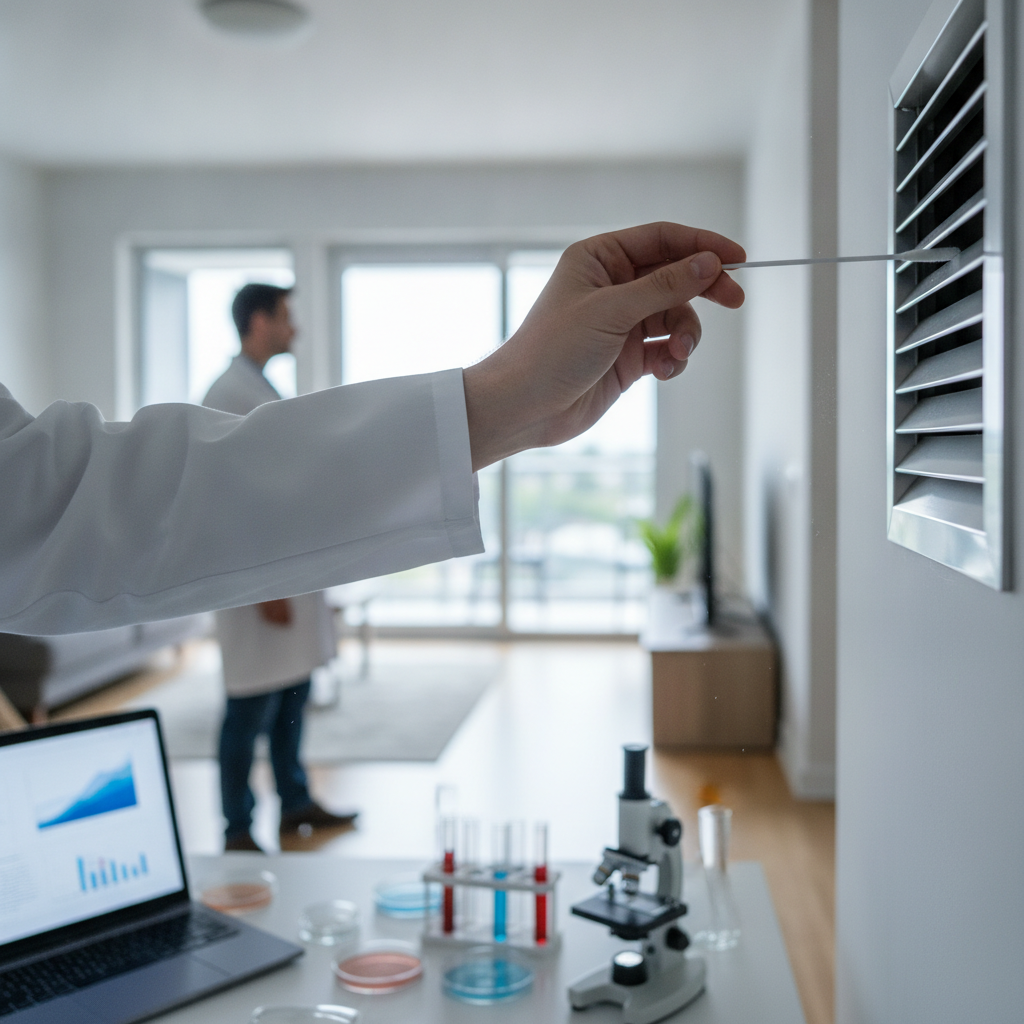
As a property owner, you invest more than just money; you invest in the well-being of occupants and the longevity of your asset. While regular cleaning maintains surface appearances, it often misses hidden dangers lurking within the environment. This is precisely why environmental hygiene testing is important: it proactively identifies unseen contaminants like mould, bacteria, allergens, and volatile organic compounds (VOCs) that can compromise occupant health, diminish property value, and lead to costly legal issues.
Understanding the full scope of environmental hygiene and why it's a non-negotiable part of responsible property management is key to protecting your investment and those who inhabit your spaces.
Table of Contents
- What is Environmental Hygiene Testing?
- The Unseen Threats: What Environmental Hygiene Testing Uncovers
- Key Reasons Why Environmental Hygiene Testing is Important
- When Should You Consider Environmental Hygiene Testing?
- Taking Proactive Steps for a Healthier Property
- Frequently asked questions
What is Environmental Hygiene Testing?
Environmental hygiene testing is a scientific process that involves collecting samples from a property's indoor environment to identify and quantify potential contaminants that could pose health risks or damage the building structure. Unlike routine cleaning, which addresses visible dirt, this testing delves deeper to detect invisible threats such as mould spores, bacteria, viruses, allergens, and harmful chemical compounds, providing a clear picture of a property's true hygienic state.
The Unseen Threats: What Environmental Hygiene Testing Uncovers
Regular cleaning simply cannot detect or eliminate many common environmental hazards. Professional hygiene testing pinpoints these specific threats, allowing for targeted remediation rather than guesswork.
Mould and Fungi
Mould often thrives in hidden, damp areas like behind walls, under flooring, or in ceiling cavities, making it difficult to spot. Testing can identify the presence and type of mould, even when there are no visible signs, preventing widespread growth and associated health issues like respiratory problems and allergic reactions.
Bacteria and Viruses
High-traffic areas, kitchens, bathrooms, and ventilation systems can harbor pathogenic bacteria and viruses that contribute to illness. Environmental testing can detect these microorganisms, especially crucial in properties with multiple occupants or after an illness outbreak.
Allergens and Irritants
Dust mites, pet dander, pollen, and other allergens can accumulate in carpets, upholstery, and air ducts, triggering allergies and asthma in sensitive individuals. Testing quantifies these irritants, helping property owners implement effective mitigation strategies.
Volatile Organic Compounds (VOCs)
VOCs are harmful chemicals emitted from common household products, building materials, paints, and furnishings. Long-term exposure to high levels of VOCs can lead to headaches, dizziness, and more serious health problems. Environmental testing identifies these invisible gases, ensuring safer indoor air quality.
Pro tip: Don't wait for visible signs of mould or illness. Proactive testing can catch problems early, significantly reducing remediation costs and potential health impacts.
Key Reasons Why Environmental Hygiene Testing is Important
For any property owner, the benefits of understanding the environmental health of their asset extend far beyond simple cleanliness.
Protecting Occupant Health and Well-being
The primary reason for environmental hygiene testing is to safeguard the health of everyone who uses the property. By identifying and addressing contaminants, you reduce the risk of respiratory issues, allergies, infections, and other health complications. This is particularly vital in rental properties, commercial spaces, or buildings with vulnerable occupants like children or the elderly.
Preserving Property Value and Longevity
Untreated environmental issues like mould and water damage can lead to significant structural deterioration over time, requiring expensive repairs. Regular testing and early intervention prevent these problems from escalating, thus protecting your property's long-term value and structural integrity. Small pre-sale upgrades can boost your property's appeal, but addressing underlying environmental issues ensures its fundamental soundness.
Ensuring Legal Compliance and Mitigating Risk
Property owners have a duty of care to provide a safe and healthy environment. Failing to address environmental hazards can lead to legal disputes, liability claims, and substantial fines. Proactive testing provides documentation of your efforts to maintain a safe property, offering a layer of protection against potential legal challenges. This is especially relevant for landlords, where understanding issues like meth residue testing can be crucial.
Enhancing Property Marketability and Reputation
A property with a clean bill of environmental health is far more attractive to potential tenants or buyers. Demonstrating that a property has undergone thorough environmental hygiene testing adds a significant layer of trust and confidence, setting your property apart in the market and potentially commanding higher rental yields or sale prices.
Providing Peace of Mind
Knowing that your property is free from harmful contaminants offers invaluable peace of mind. For landlords, this means fewer tenant complaints and quicker lease-ups. For homeowners, it ensures a healthier living space. This assurance builds trust and fosters positive relationships with tenants and future buyers.
When Should You Consider Environmental Hygiene Testing?
While annual testing is a good baseline, certain situations make environmental hygiene testing particularly advisable:
- Before purchasing a property: To identify pre-existing issues.
- Before selling a property: To provide buyers with confidence and prevent last-minute issues.
- Before and after tenant occupancy: To establish baseline conditions and ensure the property is left in good health, complementing end-of-lease cleaning checklists.
- After water damage or leaks: To check for mould growth.
- Following renovations or remodels: To assess for new VOCs or disturbed contaminants.
- If occupants report unexplained symptoms: Such as persistent allergies, respiratory issues, or general malaise.
- For properties with poor ventilation or high humidity: These conditions are conducive to mould and bacteria growth.
Taking Proactive Steps for a Healthier Property
The importance of environmental hygiene testing cannot be overstated. It's a proactive investment that safeguards health, preserves assets, and ensures legal peace of mind. Rather than waiting for problems to become visible or cause noticeable symptoms, taking the initiative to test your property demonstrates responsible ownership and provides a healthier, safer environment for everyone.
Frequently asked questions
Does regular cleaning remove all environmental hazards?
No, regular cleaning is primarily for visible dirt and grime. It does not effectively remove hidden contaminants like mould spores, bacteria in ventilation systems, or airborne volatile organic compounds (VOCs) that environmental hygiene testing is designed to detect.
How often should environmental hygiene testing be performed?
For most properties, annual testing is a good practice to establish a baseline and monitor changes. However, testing should be considered more frequently or immediately after events such as water damage, renovations, or if occupants report unexplained health issues.
Is environmental hygiene testing required by law for rental properties?
While specific mandates vary by region, property owners generally have a legal duty to provide a safe and habitable environment. Proactive environmental hygiene testing helps meet this duty of care and provides documentation that can mitigate legal risks associated with unseen hazards.
What happens after contaminants are identified?
Once contaminants are identified through testing, a professional will provide a detailed report outlining the types and levels of hazards present. This report will typically include recommendations for targeted remediation strategies to effectively remove or mitigate the identified issues, ensuring the property returns to a healthy state.
Invest in the Health of Your Property
Environmental hygiene testing is a vital component of comprehensive property management, allowing you to proactively address potential issues before they become serious problems. By prioritizing the invisible aspects of your property's health, you secure your investment and ensure a safe environment for all. To learn more about maintaining a healthy property, continue exploring the Restart Property Group blog, or get in touch with our team for professional advice and services.