Table of Contents
- What is Environmental Hygiene Testing?
- Why Environmental Hygiene Testing is Crucial for Property Owners
- Common Environmental Contaminants Detected
- When to Consider Environmental Hygiene Testing
- What Does Environmental Hygiene Testing Involve?
- Choosing the Right Professional for Environmental Hygiene Testing
- Proactive Protection for Your Property and Peace of Mind
- Frequently Asked Questions
What is Environmental Hygiene Testing?
Environmental hygiene testing systematically identifies and quantifies hidden contaminants like mold, bacteria, allergens, and other harmful substances that can impact indoor air quality and surface cleanliness within a property. Unlike routine cleaning, which primarily removes visible dirt and grime, this specialised testing probes deeper to uncover invisible threats that may be lurking in your property's environment.
For property owners, understanding this distinction is vital. While a comprehensive cleaning, such as an end of lease bond clean, ensures surfaces are spotless, it doesn't verify the absence of microscopic hazards that can compromise health or property integrity. Environmental hygiene testing provides scientific data on the actual microbial and chemical load, offering a clear picture of your property's true health status.
Why Environmental Hygiene Testing is Crucial for Property Owners
For any property owner, investing in environmental hygiene testing is a proactive step that safeguards significant assets and responsibilities. It moves beyond superficial appearances to address the core health of your building and its occupants.
Protecting Occupant Health
Exposure to unseen contaminants can lead to a range of health issues for residents, tenants, or workers. Environmental hygiene testing identifies these hazards, allowing you to take corrective action before health problems escalate.
- Respiratory Issues: Mold spores and dust mites are common triggers for asthma, allergies, and other respiratory ailments. Identifying and eliminating these can significantly improve indoor air quality.
- Skin Irritations and Illnesses: Certain bacteria and chemicals can cause skin reactions or contribute to general malaise, particularly in sensitive individuals.
- Long-Term Well-being: Prolonged exposure to poor indoor environments can have chronic health implications, making a healthy living or working space paramount.
Safeguarding Property Value
The health of a property directly correlates with its market value and desirability. Unaddressed environmental issues can significantly devalue your asset and make it difficult to sell or lease.
- Preventing Structural Damage: Undetected moisture and mold growth can lead to costly structural damage over time, impacting walls, flooring, and foundations.
- Maintaining Reputation: A property known for health concerns can suffer reputational damage, deterring future tenants or buyers.
- Boosting Resale and Rental Appeal: Demonstrating a clean bill of health through testing can be a strong selling point, akin to making small upgrades that help your property sell, assuring prospective occupants of a safe environment.
Mitigating Legal and Financial Risks
As a property owner, you have a duty of care to ensure your property is safe and habitable. Neglecting environmental hygiene can expose you to substantial legal and financial liabilities.
- Tenant Disputes: Health complaints from tenants due to mold or other contaminants can lead to disputes, costly repairs, and even legal action.
- Insurance Claims: Undisclosed or unaddressed environmental issues may complicate or invalidate insurance claims related to property damage.
- Remediation Costs: Proactive testing is often more cost-effective than extensive remediation required for long-standing, severe contamination problems.
Common Environmental Contaminants Detected
Environmental hygiene testing can uncover a variety of problematic substances, each posing distinct risks:
- Mold and Fungi: Often triggered by moisture, mold can cause respiratory problems, allergic reactions, and structural damage.
- Bacteria: Including pathogenic strains that can cause illness, often found in water systems or areas with poor sanitation.
- Allergens: Such as dust mites, pet dander, and pollen, which can exacerbate allergies and asthma.
- Volatile Organic Compounds (VOCs): Chemicals emitted from building materials, furnishings, cleaning products, and paints that can affect air quality.
- Asbestos: A hazardous material found in older buildings, requiring specialized handling and testing to confirm its presence and safety.
- Lead: Found in old paint or plumbing, lead exposure is a serious health risk, especially for children.
- Methamphetamine Residue: Particularly for rental properties, residues from meth production or use can pose severe health risks and require specific meth residue testing.
When to Consider Environmental Hygiene Testing
While proactive testing is always beneficial, certain situations make environmental hygiene testing particularly advisable:
- Prior to Purchase or Sale: A comprehensive environmental health check can provide peace of mind or identify necessary repairs before committing to a transaction.
- After Water Damage: Flooding, leaks, or persistent dampness significantly increase the risk of mold and bacterial growth.
- Following Tenant Vacancy: Especially if previous occupants had pets, smoked, or if there are suspicions of illicit activities like drug production.
- Unexplained Odors or Health Complaints: Persistent musty smells, allergic reactions, or respiratory issues among occupants are strong indicators that testing is needed.
- Renovations or Demolition: To identify hazardous materials like asbestos or lead that could be disturbed.
- Routine Health Check: As part of regular property maintenance, especially for commercial properties or multi-unit dwellings.
What Does Environmental Hygiene Testing Involve?
The process of environmental hygiene testing typically involves several steps:
- Initial Consultation and Assessment: A professional will discuss your concerns, inspect the property, and identify potential areas of interest.
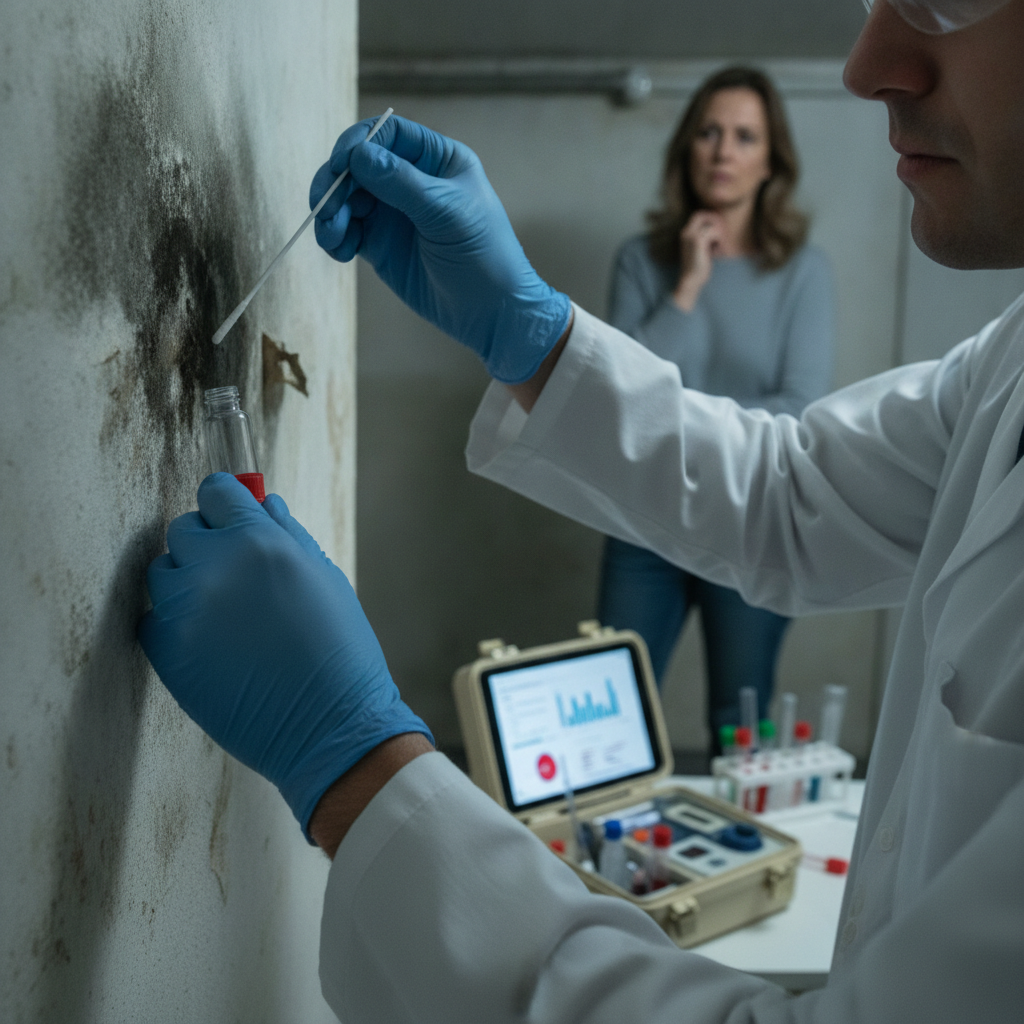
- Sample Collection: Depending on the suspected contaminants, this may include air samples (to measure airborne spores or particles), surface swabs (for bacteria or mold on surfaces), dust samples (for allergens or heavy metals), or material samples (for asbestos or lead in building materials).
- Laboratory Analysis: Samples are sent to accredited laboratories for precise identification and quantification of contaminants.
- Detailed Report: You receive a comprehensive report outlining findings, identifying the type and concentration of contaminants, and often providing recommendations for remediation.
- Post-Remediation Verification (Optional): After any necessary cleaning or remediation, follow-up testing can confirm the successful removal of contaminants.
Pro tip: Always choose a testing service that provides clear, actionable results and uses accredited laboratories to ensure the accuracy and reliability of the findings.
Choosing the Right Professional for Environmental Hygiene Testing
Selecting an experienced and reputable environmental hygiene testing service is paramount. Look for professionals who:
- Have relevant certifications and experience: They should be knowledgeable about local regulations and best practices.
- Use advanced equipment and techniques: Ensuring thorough and accurate sample collection.
- Provide clear and understandable reports: Explaining complex scientific data in plain language.
- Offer impartial advice: A testing service should focus solely on assessment, not on performing remediation work, to avoid conflicts of interest.
Proactive Protection for Your Property and Peace of Mind
Environmental hygiene testing is far more than a simple inspection; it's a vital investment in the long-term health and value of your property, protecting both your asset and the well-being of its occupants. By proactively identifying and addressing hidden threats, you ensure a safer, healthier, and more resilient environment. Make informed decisions and safeguard your property's future today.
Want to learn more about protecting your investment or maintaining a healthy property? Explore more insights on the Restart Property Group blog or get in touch with us directly for expert advice.
Frequently Asked Questions
Is environmental hygiene testing really necessary if my property looks clean?
Yes, environmental hygiene testing can be necessary even if your property looks clean. Many harmful contaminants like mold, bacteria, and allergens are microscopic and cannot be seen with the naked eye. They can exist within walls, ventilation systems, or carpets and still impact air quality and health.
How is environmental hygiene testing different from regular property inspections?
Environmental hygiene testing differs from regular property inspections by focusing specifically on biological, chemical, and physical hazards rather than structural or cosmetic issues. While a general inspection might note a water stain, hygiene testing would determine if that stain has led to mold growth and quantify its presence, providing scientific data on health risks.
How often should I have environmental hygiene testing done?
The frequency of environmental hygiene testing depends on several factors, including the property's age, location, previous issues, and occupant health. For most residential properties, testing might be considered after significant water damage, before a sale, or if occupants experience unexplained health symptoms. For commercial properties or those with higher risk factors, more regular assessments may be advisable.
Can I perform environmental hygiene testing myself?
While some DIY kits are available, it is strongly recommended to use a professional environmental hygiene testing service. Professionals have the expertise, specialized equipment, and knowledge of proper sample collection techniques to ensure accurate and reliable results. Misinterpreting results or improper sample collection can lead to ineffective remediation and continued health risks.