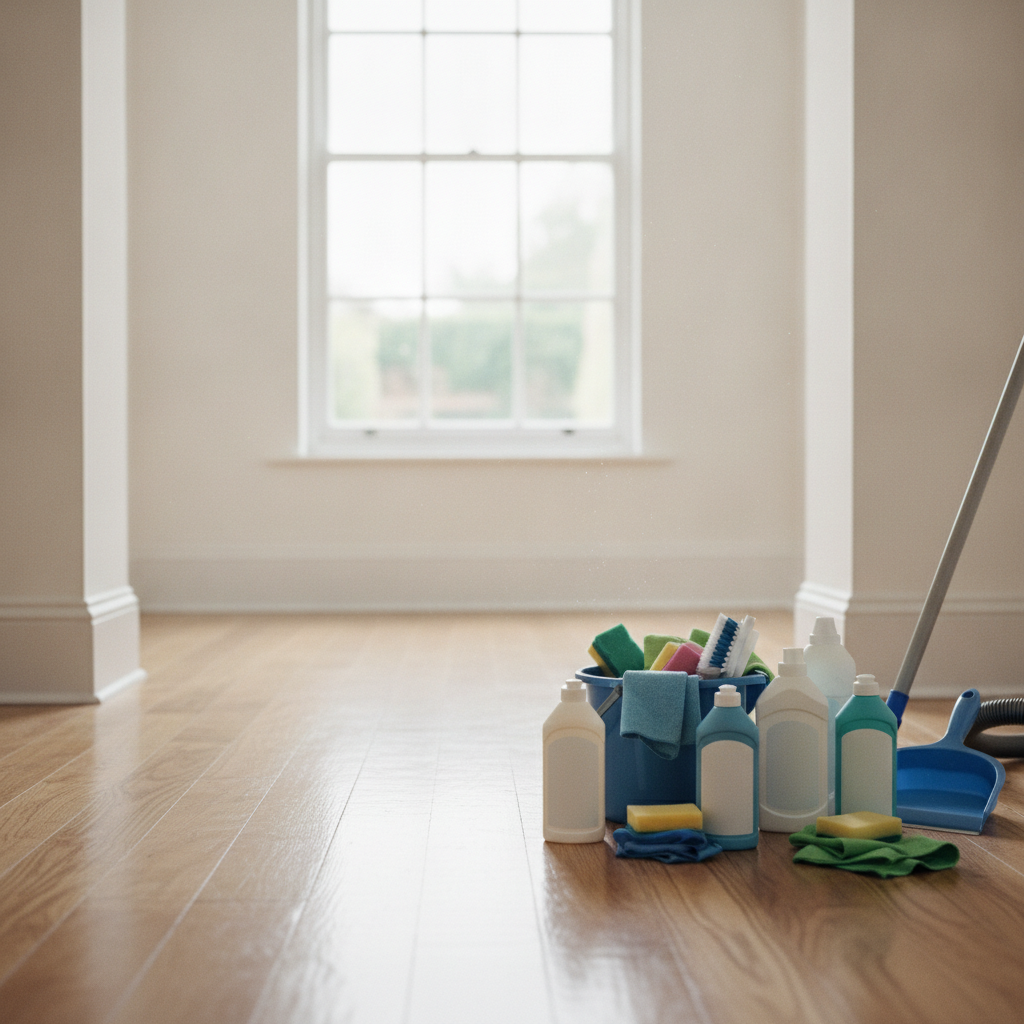
Moving out of a rental property can be stressful, but with a detailed end of lease bond cleaning checklist, you can tackle the task confidently, meet your lease obligations, and maximize your chances of a full bond refund. A comprehensive checklist ensures tenants thoroughly clean every area of a rental property to meet their lease agreement obligations and maximize their chances of a full bond refund, helping you avoid common pitfalls and disputes with your landlord or property manager.
Understanding Your Lease and Bond Expectations
Before you even pick up a sponge, it is crucial to review your tenancy agreement and the original entry condition report. These documents outline the specific cleaning standards expected and provide photographic evidence of the property's condition when you moved in. Your goal is to return the property to the same level of cleanliness, allowing for fair wear and tear. Pay close attention to any clauses regarding professional cleaning for carpets or pest control, as these are often mandatory.
Pro tip: Cross-reference your lease agreement with your entry condition report. Take photos of any pre-existing damage or issues that you noted at the start of your tenancy to avoid being held responsible.
The Ultimate End of Lease Bond Cleaning Checklist: Room by Room
Achieving a spotless property requires a systematic approach. This detailed checklist covers all the essential areas, from the kitchen to the garden, ensuring nothing is overlooked.
Kitchen
- Clean oven, stovetop, rangehood, and splashback: Degrease thoroughly, inside and out. Remove all racks and trays for individual cleaning.
- Wipe down all cupboards and drawers: Empty and wipe interiors and exteriors, including handles.
- Clean sink and taps: Remove limescale and polish.
- Wipe down benchtops: Ensure no stains or residue.
- Clean dishwasher (if applicable): Empty filter and wipe down interior and exterior.
- Clean floor: Vacuum and mop thoroughly.
Bathrooms and Toilets
- Clean shower, bath, and tiles: Remove soap scum, mould, and limescale. Grout lines should be clean.
- Clean toilet: Disinfect bowl, seat, lid, and exterior.
- Clean vanity, sink, and taps: Polish and remove water marks.
- Clean mirrors: Streak-free.
- Wipe down all cabinets and drawers: Interiors and exteriors.
- Clean floor: Vacuum and mop.
- Empty and clean exhaust fans: Wipe covers free of dust and grime.
Bedrooms and Living Areas
- Dust and wipe all surfaces: Including shelves, skirting boards, window sills, and architraves.
- Clean light fittings and fixtures: Remove dust and wipe covers.
- Wipe walls and remove marks: Address any scuff marks or fingerprints, ensuring no damage to paint.
- Clean windows and tracks: Wipe glass inside and out (if accessible) and vacuum/clean tracks.
- Vacuum carpets: Professionally clean if required by your lease.
- Mop hard floors: Thoroughly clean all hard flooring surfaces.
Laundry
- Clean laundry tub and taps: Remove any stains or residue.
- Wipe down cupboards and drawers: Inside and out.
- Clean dryer filter (if applicable): Empty lint trap.
- Clean floor: Vacuum and mop.
General Throughout the Property
- Clean light switches and power points: Wipe away grime and fingerprints.
- Wipe down doors and door frames: Remove marks and dust.
- Clean blinds, curtains, and window coverings: Dust blinds, vacuum curtains, or clean as per fabric instructions.
- Clean air conditioning units/vents: Dust filters and wipe vents.
- Empty and clean all bins: Disinfect where necessary.
- Remove all rubbish and personal belongings: Ensure the property is completely empty.
Outdoors and Garage (If Applicable)
- Sweep and clear garage/carport: Remove all oil stains and debris.
- Clean exterior light fittings: Remove cobwebs and dust.
- Mow lawns and weed gardens: Ensure garden beds are tidy and free of weeds.
- Sweep/hose paved areas: Clean patios, balconies, and pathways.
Preparation and Execution Tips for a Smooth Clean
Effective bond cleaning goes beyond just knowing what to clean; it also involves smart planning and execution.
- Start early: Do not leave everything to the last minute. Begin with less-used areas or those that can be cleaned and then sealed off.
- Gather supplies: Stock up on all necessary cleaning agents, cloths, sponges, and equipment before you start.
- Consider professional help: For large properties or if time is short, hiring professional bond cleaners can be a worthwhile investment. They often guarantee their work and know exactly what property managers look for.
- Work top to bottom: Start dusting ceilings, light fixtures, and high shelves before moving to lower surfaces and floors. This prevents dust from falling onto already-cleaned areas.
- Focus on high-traffic and easily overlooked areas: Skirting boards, door frames, light switches, and behind appliances are common areas tenants forget to clean thoroughly.
Pro tip: Take clear, dated photos or videos of the property *before* you start cleaning and *after* it is complete. This visual evidence is invaluable if any disputes arise regarding the cleaning standard. For landlords, maintaining environmental hygiene is key to a smooth tenancy.
After the Clean: Final Checks and Documentation
Once the cleaning is done, perform a thorough walk-through. Imagine you are the property manager inspecting the property for the first time. Check every item on your list again. Pay close attention to areas that might have dried with streaks or forgotten spots. Document your efforts by taking final photos of every room, ensuring they are well-lit and dated. This provides concrete evidence of the property's condition at the time of your departure, which can be crucial for resolving any bond disputes.
Frequently Asked Questions
Do I have to get professional cleaners for my bond clean?
Not always. Your lease agreement will specify if professional cleaning is a mandatory requirement. If it is not explicitly stated, you can clean the property yourself to the required standard. However, if the property was professionally cleaned at the start of your tenancy, you might be expected to return it in a similar condition.
What is considered 'fair wear and tear'?
Fair wear and tear refers to the natural deterioration of a property over time from ordinary use, not from negligence or misuse. Examples include faded curtains, worn carpet in high-traffic areas, or minor scuffs on walls that are not due to impact. Damage, such as large holes in walls, significant stains, or broken fixtures, is not considered fair wear and tear.
What if my landlord isn't happy with the cleaning?
If your landlord or property manager expresses dissatisfaction, request a detailed list of areas they believe require further attention. Refer to your original entry condition report and your 'after' photos. Attempt to resolve the issue amicably. If an agreement cannot be reached, you may need to involve your relevant state tenancy authority for mediation or dispute resolution.
How long does it take to get my bond back?
The timeframe for receiving your bond refund can vary by region, but generally, it is processed once the landlord or agent has completed their final inspection and agreed to the refund amount. This typically occurs within a few weeks of you vacating the property, provided there are no disputes.
Moving Forward with Confidence
Approaching your end of lease clean with a detailed checklist transforms a daunting task into a manageable process. By understanding your obligations, systematically cleaning each area, and diligently documenting your efforts, you are well-positioned to meet your lease requirements and reclaim your bond with minimal stress. Should you need further insights into property maintenance, feel free to explore more articles on the Restart Property Group blog, or get in touch with us directly for expert advice.